Compare composite decking and wood decking to see which material offers the best durability, maintenance, and long-term value for homes in Rochester NY.

If you’re planning a new deck, one of the biggest decisions is choosing the right material. Many homeowners compare composite decking vs wood to figure out which option offers the best value, appearance, and long-term performance.
Both materials can create a beautiful outdoor space, but they come with very different benefits. Composite decking is known for low maintenance, moisture resistance, and long-term durability, while wood is often chosen for its natural appearance and lower upfront cost. TimberTech’s comparison highlights those same tradeoffs, with composite generally winning on maintenance, moisture resistance, long-term appearance, lifetime value, and ease of ownership, while wood wins on upfront affordability and natural look.
For homeowners in Rochester NY, weather also plays a big role in this decision. Snow, rain, and seasonal temperature changes can impact how a deck looks and performs over time.
What Is Composite Decking?
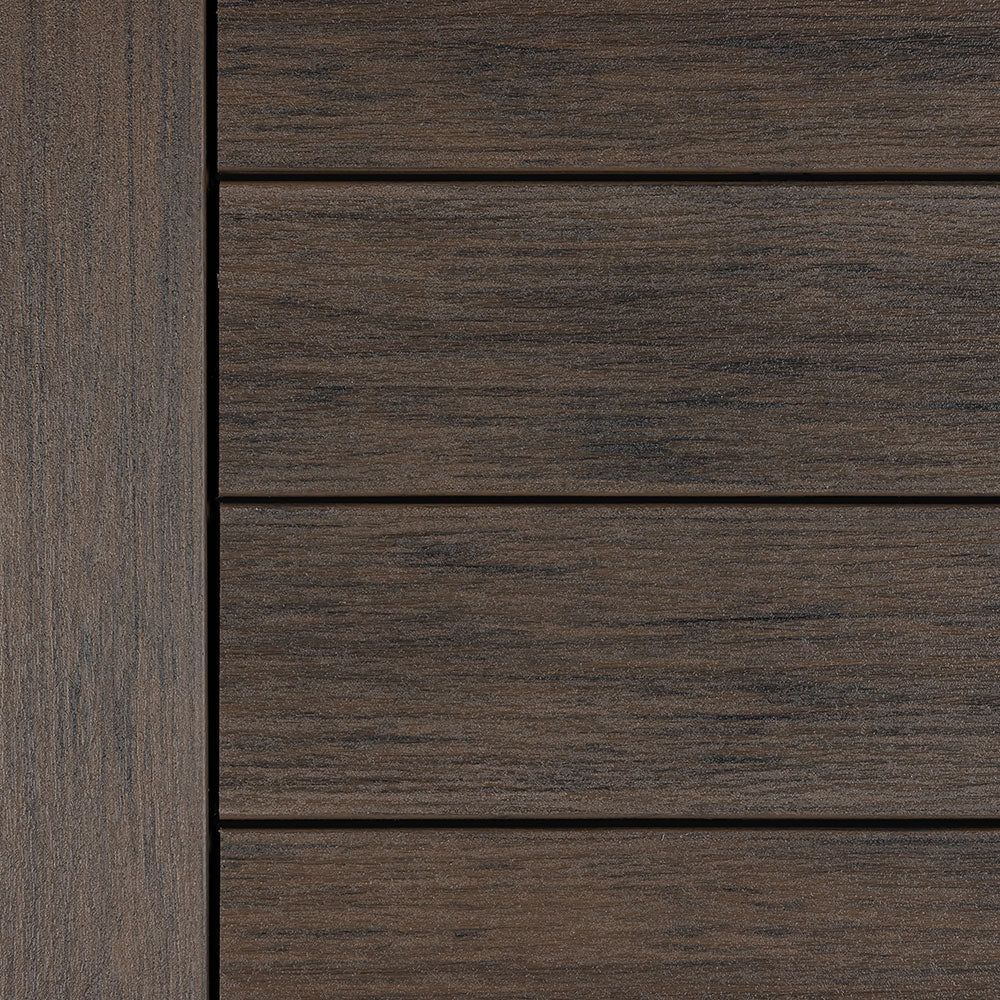
Composite decking is a manufactured decking material made from a blend of wood fibers and recycled plastics. TimberTech explains that capped composite boards add a protective outer layer for better durability and weather resistance.
Composite decking is popular because it offers:
- low maintenance
- moisture resistance
- long-lasting durability
- a wide range of colors and finishes
Many homeowners choose composite when they want the look of wood without the yearly upkeep.
What Are the Benefits of Wood Decking?
Wood decking remains a classic option. TimberTech notes that real wood is still the best choice for homeowners who want the most authentic wood look and texture, and wood is often more affordable upfront depending on species.
Wood decks can offer:
- a natural appearance
- lower initial material cost
- flexibility in stain color
- traditional charm
Pressure-treated lumber is usually the most budget-friendly wood decking option, while cedar and hardwoods typically cost more. TimberTech also notes that wood performance depends heavily on ongoing maintenance.
Composite Decking vs Wood: Key Differences
1. Maintenance
One of the biggest differences is upkeep.
Composite decking is much lower maintenance than wood. TimberTech says manufactured decking does not need sanding and sealing every year, while traditional wood requires regular sealing, painting, or staining to help protect it from weather exposure.
If you want a deck that is easier to maintain, composite is usually the better choice.
2. Moisture Resistance
Rochester weather brings snow, rain, and humidity, so moisture resistance matters.
TimberTech states that composite decking is more weather-resistant than wood and does not absorb moisture the same way lumber can. Their article also notes that wood can still absorb moisture over time even when treated, which can eventually lead to deterioration.
For homes in Western New York, this is a major reason many homeowners choose composite decking.
3. Appearance
Wood has a natural look that many homeowners still love. TimberTech says authentic wood remains difficult to beat if your priority is real wood color and grain.
At the same time, composite decking has come a long way. Many modern composite boards offer attractive grain patterns and colors that closely resemble natural wood while keeping a more consistent look over time. TimberTech also notes that composite tends to hold its appearance longer because it is more resistant to UV and water-related wear.
4. Upfront Cost
If you are looking at initial budget alone, wood often costs less upfront. TimberTech says pressure-treated pine is often one of the most affordable decking options, while composite materials generally cost more at the start.
This makes wood appealing for homeowners trying to keep their first investment lower.
5. Long-Term Value
While wood may cost less upfront, composite often provides better long-term value.
TimberTech says wood decks require regular maintenance costs over time, including recoating every one to three years, and their comparison concludes that total long-term cost can be lower for composite once maintenance is factored in.
For many homeowners, that makes composite a smart long-term investment.
Which Decking Material Is Better for Rochester NY?
For many Rochester homeowners, composite decking is the better overall choice because of the local climate and long-term maintenance savings.
Composite may be a better fit if you want:
- less maintenance
- better performance in wet and snowy conditions
- long-lasting color and durability
- a more modern outdoor living upgrade
Wood may be a better fit if you want:
- the most natural wood appearance
- a lower upfront project cost
- a more traditional deck style
Final Thoughts
There is no one-size-fits-all answer, but for many homeowners comparing composite decking vs wood, composite offers the best mix of durability, low maintenance, and long-term value. That aligns with TimberTech’s comparison, which gives composite the advantage in most categories besides upfront affordability and the most authentic wood look.
If you are planning a new deck in Rochester NY, the best next step is to speak with an experienced contractor who can help you compare materials based on your budget, style, and how you want to use your outdoor space.
Build the Right Deck With Cactus Contracting
At Cactus Contracting, we build custom decks for homeowners throughout Rochester and surrounding areas. Whether you prefer the look of natural wood or the low-maintenance benefits of composite, our team can help you choose the right material for your home.
Contact Cactus Contracting today for a free deck consultation and estimate.
Sources
- TimberTech – Composite Decking vs Wood
https://www.timbertech.com/ideas/composite-decking-vs-wood/